
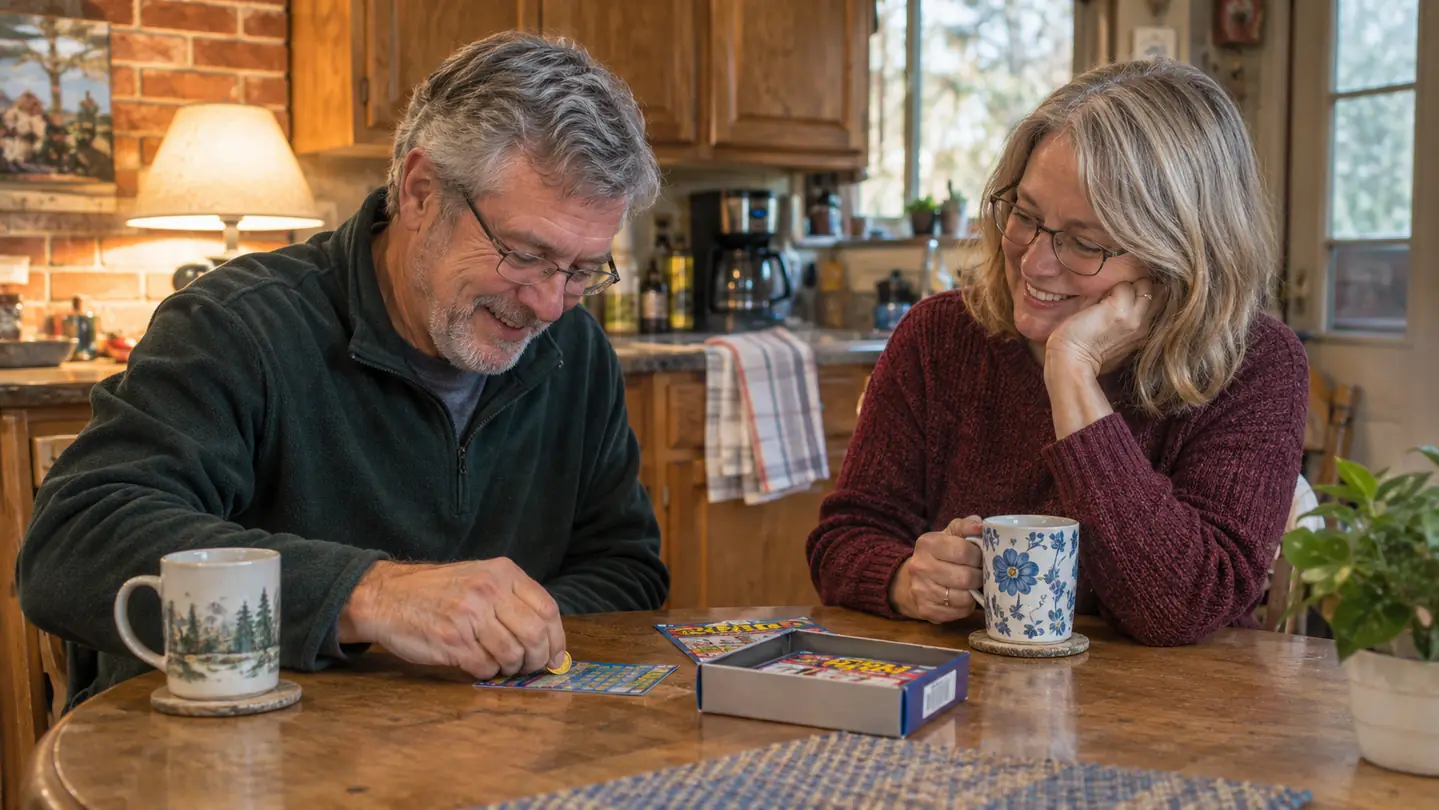
There is a particular quiet that settles over a house once the children are gone. Ours arrived in September 2025, the week our daughter moved out, and it took me about three weeks to notice that Hal and I were eating supper in front of the television and saying almost nothing that was not about the schedule, the bills, or whose turn it was to run the dishwasher. Not a crisis. Nobody was angry. It was just quiet, and I did not care for it.
I tried a few things first. I made a list of restaurants we used to like. I suggested a movie. What finally worked was smaller than any of that: a box of Scratch Off Date Night Cards from All Natural Shop, a gift from our daughter for our 31st anniversary in June 2026. Thirty-five cards, two heart-shaped scratching coins, and one rule. Five months in we have scratched ten of them, and I have learned a few things about how to run a night like this so it stays easy instead of turning into a project with a deadline.
The Box That Makes the Decision So You Two Do Not Have To
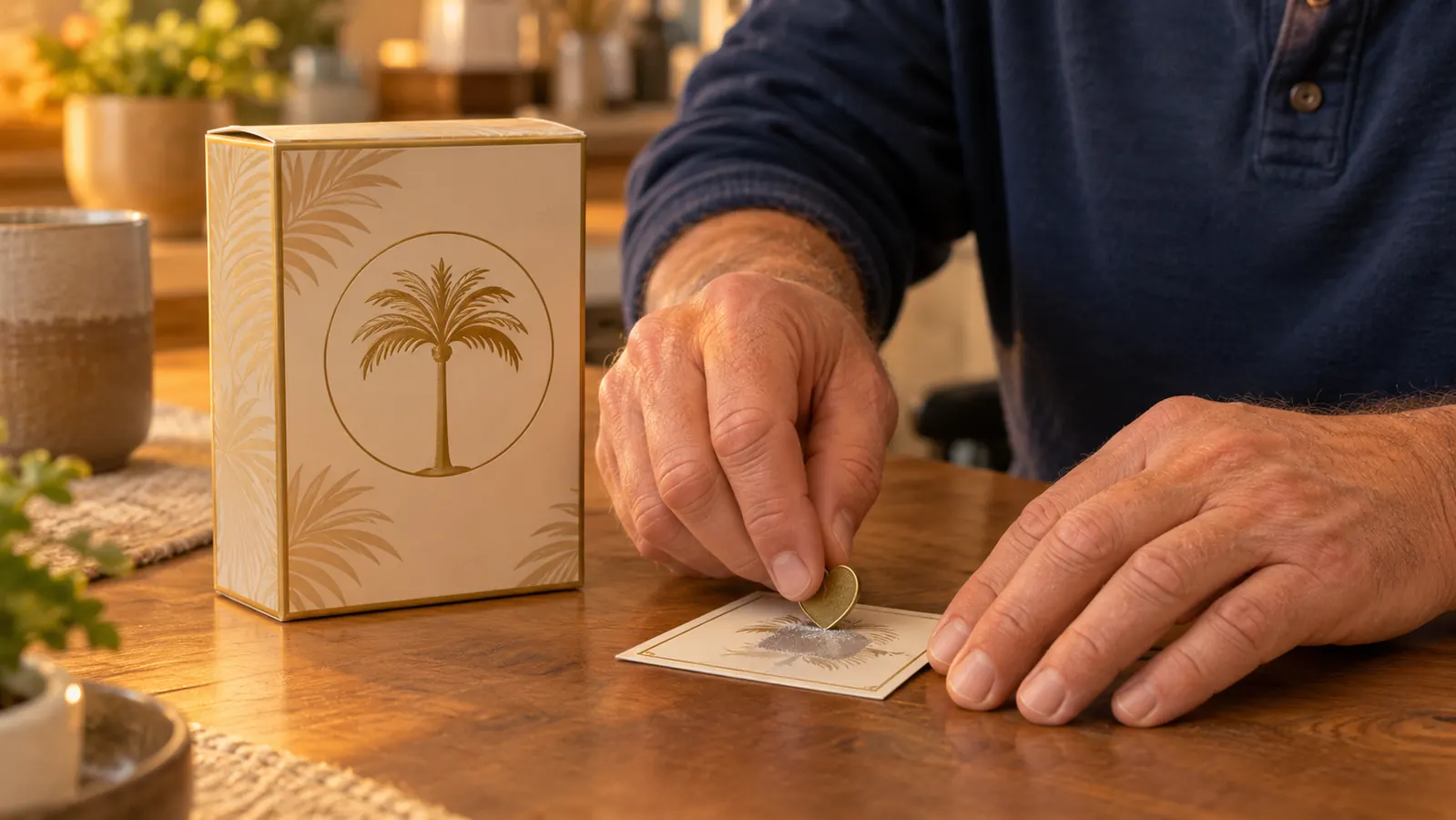
Thirty-five scratch-off date cards, two heart-shaped coins, and instructions. Each card gives a clue about whether the date happens at home or out. One rule: you do the date you scratch.
Amazon Check Today's Price on Amazon →Step 1: Pick the Night Before You Need It
Our night is every other Saturday. Not Friday. Hal is a maintenance supervisor at the hospital and by Friday evening he is done in a way that has nothing to do with me, and I am not much better. Saturday, after supper, dishes done, about 7:30. That is our window. The specific night matters less than the fact that it was chosen in advance by somebody who was not, at that moment, trying to be creative.
This is the part people skip. An ambush date night fails. If I scratched a card on a Tuesday afternoon and announced we were doing it right then, Hal's whole face would change. He needs a couple of days to get used to an idea. Not because the date is hard. Because anything sudden feels like being volunteered for something.
I learned that the hard way in July. I scratched a card on a Thursday afternoon because I was in a good mood, and I told Hal we were doing it that night. He had come off a day with a bad compressor and a two-hour call, and he looked at me like I had asked him to help move furniture. We did the date. It was flat, and not because the card was poor. It was flat because I sprang it on him, and a man who has been on his feet since six in the morning cannot get enthusiastic on command.
So write it down where you will both see it. I have ours on the paper calendar in the pantry, alternating Saturdays, in pencil. If we miss one, nothing happens and nobody is in trouble. That is the entire system. It works because there is no performance attached to it.
Step 2: Scratch the Card Together, at the Table
The cards are not a reveal. They are a two-person job, and the two of you should be sitting down when it happens. One of us holds the box and reads the clue out loud, the other scratches. The clue on each card tells you whether the date takes place at home or somewhere out, which is more useful than it sounds, because it lets you brace for the right kind of evening.
Out of our first ten cards, roughly seven were at home and three took us out of the house. The very first one we ever scratched was plainly an at-home card and I was relieved, because it was a cold night in June and I did not want to change my shoes. The one we scratched in August sent us out and we went, and it was fine, and I am glad the rule made us.
Do not let one person scratch for the other. Half the pleasure of the All Natural Shop deck is the thirty seconds of shared suspense before the panel comes off. That sounds like a small thing. At a round oak table at 7:30 on a Saturday with the dishes drying on the counter, small things are the whole thing.
Step 3: Lower the Bar for What Counts as a Date
The main way date night at home dies is the belief that it has to look like something. In the spring of 2026 we tried planning our own, no deck involved, just the two of us brainstorming. We ran out of ideas by the third week. We got as far as a list on the back of an envelope. Dinner and a walk. Dinner and a movie. By the fourth week the envelope was still on the counter and neither of us wanted to be the one to propose a fifth idea, because proposing something puts you on the hook for whether it lands. That is a heavy thing to hand a tired person on a Tuesday.
When you invent the evening yourself, you have to make it good enough to justify the effort you put into inventing it. When a card hands it to you, a bowl of popcorn and the same table you eat at is the date, and nobody has to defend it.
Our better home dates have looked like almost nothing. One card had us each name three things we would do with a free Saturday and no obligations. That was it. Twenty-five minutes, two mugs, and a conversation that went somewhere we had not been in years. If a neighbor had looked in the window they would have seen two people talking at a table, which is apparently all it takes.
Nothing in the All Natural Shop box requires candles. Nothing requires a reservation or a babysitter or a new outfit. Our box lives in a wicker basket on the sideboard next to the kitchen table, so setup time is whatever it takes to walk four steps and lift the lid. If it takes more than that, you will not do it on a rainy Saturday.
Step 4: Do the Dud You Scratched
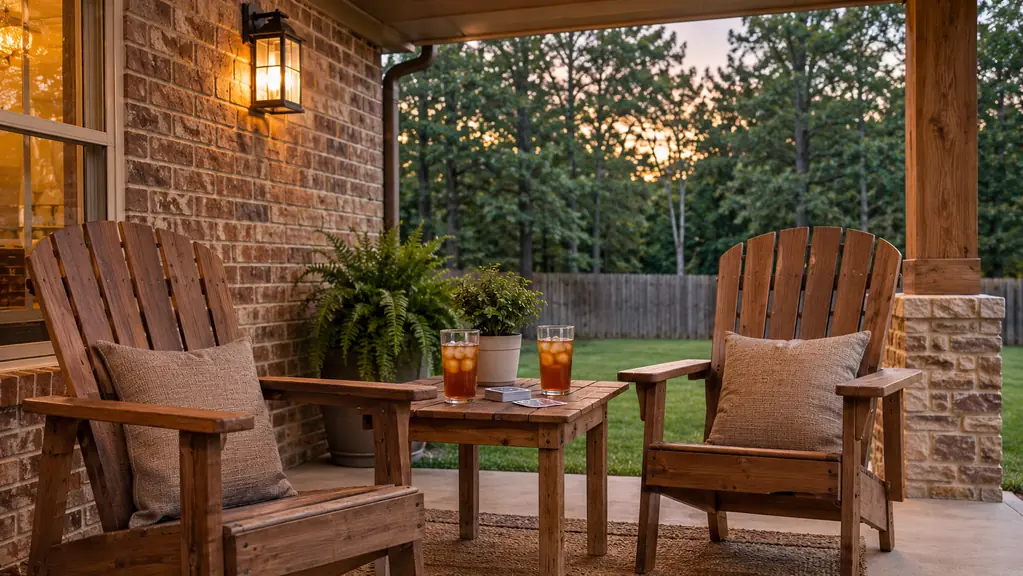
Two of our ten were duds. We did them anyway, because the rule is the rule and the rule is the only thing holding the whole idea up. One of them involved a dish built around an ingredient neither of us has ever liked, and I will not pretend the texture won me over. We fixed it, we ate it at the table with the porch door open, and we made jokes about it for a solid hour. It is now the night we still bring up when we are deciding what to scratch next, which is more than I can say for some of the good ones.
Skipping a dud is how the deck quietly stops working. The moment you start negotiating, you have turned a ten-second rule into a committee meeting, and Hal will find a reason to be out in the garage. There is no referee. Either you do the card you scratch, or within two months you are back to eating supper in front of the television and calling it a phase.
There is also a better reason to sit through a flat card. A card you would never have chosen is a card that surprises you, and surprise is what a 31-year marriage runs short on. The duds cost us an hour each. They bought us a running joke we have kept for five months, which is a better return than most things we spend an evening on.
Step 5: End With the Part That Actually Matters
The card gets you to the table. It does not do the talking for you, and that is fine, because the talking is the reason any of this is worth the trouble. We save the last twenty minutes of the night for one real question and no screens. Most Sunday evenings we use our conversation deck for that, but a date night does not need a second box. One question, asked properly, is enough.
There is a number I keep in my head on this. Our Sunday deck sessions run about twenty minutes, one or two cards, and that length has held for ten months. A first date night should be shorter than you think. Forty minutes at the table and you both walk away wanting the next one. Two hours and you have made a job of it.
The rule in this house is that either one of us can pass on a question, no explanation, no scorekeeping. Hal refused the first two Sundays we ever tried anything like this and sat through it on the third. By about the sixth week he was answering before I asked twice. I have never once made a thing of the ones he passed on, and I think that is why he stopped passing.
And do not grade the conversation afterward. No asking whether that was not just so good. A pleasant twenty minutes turns into an assignment with a follow-up report the second you do, and then next Saturday is a chore you are both quietly dreading.
What Else Helps
A basket. All five of our boxes live in one wicker basket on the sideboard next to the table. If the deck goes in a drawer or a closet or a tote bag, it stops existing in your house. Ours has been in the same spot since June and that spot is the reason we have scratched ten cards instead of two. The basket cost me nothing. It had been in the hall closet holding extension cords. Moving the boxes into it took one minute and did more for our Saturdays than the calendar did.
A lighter option for tired nights. The Couples Game is the newest thing in our basket, three months old, a tin with 150 cards and two small dry-erase boards, and it is the one that makes us laugh rather than the one that makes us talk. We use it on Thursdays when the week has been long. Trying to force a serious conversation out of a tired Tuesday is how a couple decides that all of this is homework.
A game that puts you on the same side. Jaipur is our competing game and Hal wins a little more than half the time, which he enjoys. But on the nights when competing makes somebody sulk, Sky Team fixes it, because you are pilot and co-pilot trying to land the same plane and there is nobody to blame but the two of you together. I am usually the pilot. We crashed our first three attempts and landed on the fourth, all in one evening, and I have never heard him cheer at a table before.
And one honest note. Planning your own date nights is free and it did not work for us. Three weeks was our ceiling. The deck from All Natural Shop works in this house for one boring reason: the deciding gets done before either of us has a chance to be in a mood about it. That is the whole advantage. It is not a better idea than yours. It is just already decided.
Two of our ten cards were duds and we did them anyway. One of them is the night we still bring up.
Thirty-Five Cards and One Rule, So Nobody Has to Plan Anything
Ideal if you are the one who always ends up deciding. Thirty-five scratch-off date cards, two heart-shaped scratching coins, and instructions, all in one box that fits in a basket by the table.
Amazon Check Today's Price on Amazon →